Chemical plastic recycling is becoming essential in the fight against the waste problem
Well over eight billion tons of plastic have been produced worldwide in the last 70 years, most of it since the turn of the millennium.
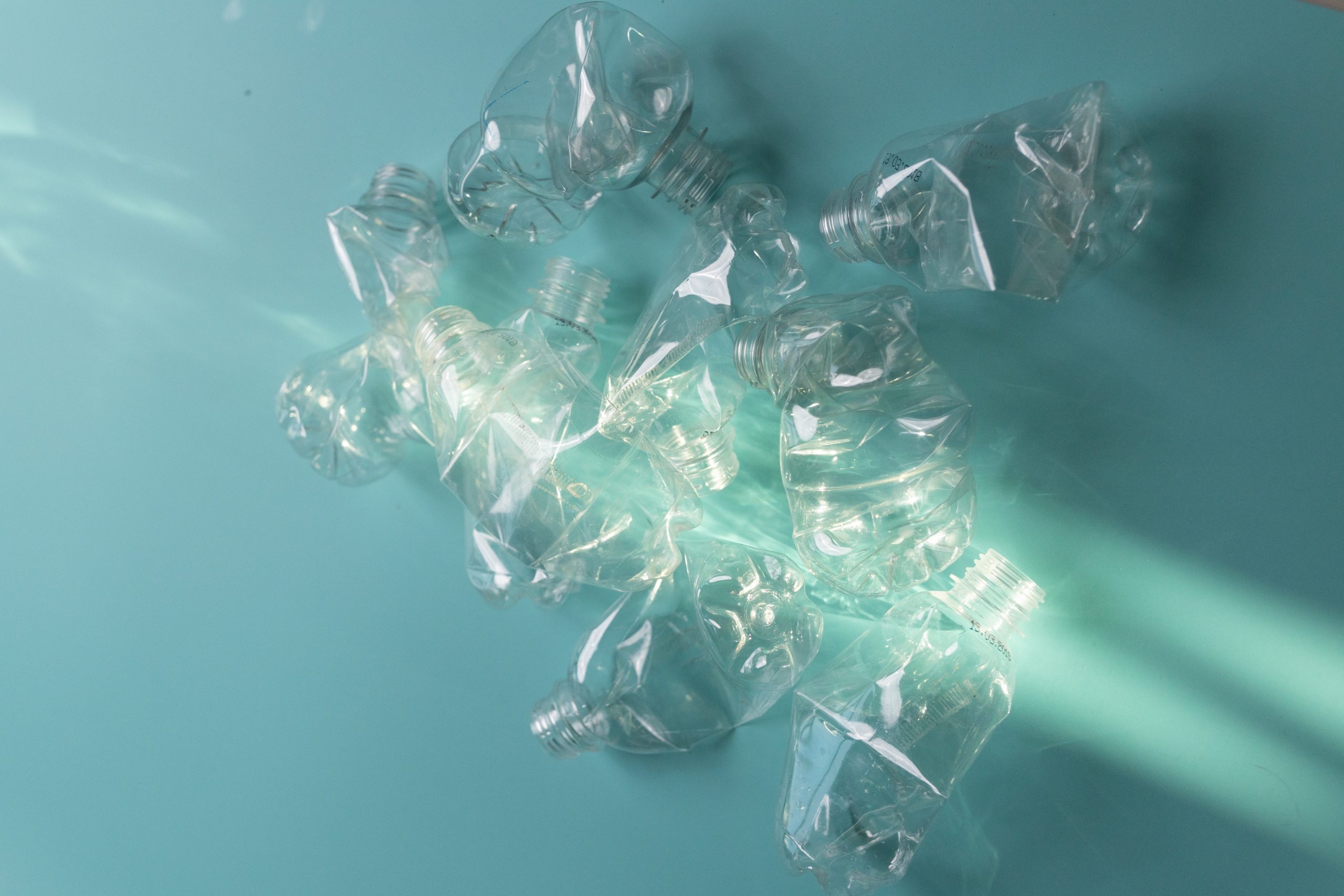
The careless use of plastic has escalated into a worldwide environmental problem. Unfortunately, for the vast majority of polymer products, degradation in nature is either non-existent or extremely slow. This endangers the environment to an ever greater extent. The world’s oceans are particularly affected by the considerable quantities of plastic waste.
This is a global challenge! Therefore, the recycling of plastics is more and more in the focus of the general public. The goal should be a “Circular Economy”, ideally a worldwide closed loop of plastic products and plastic precursors.
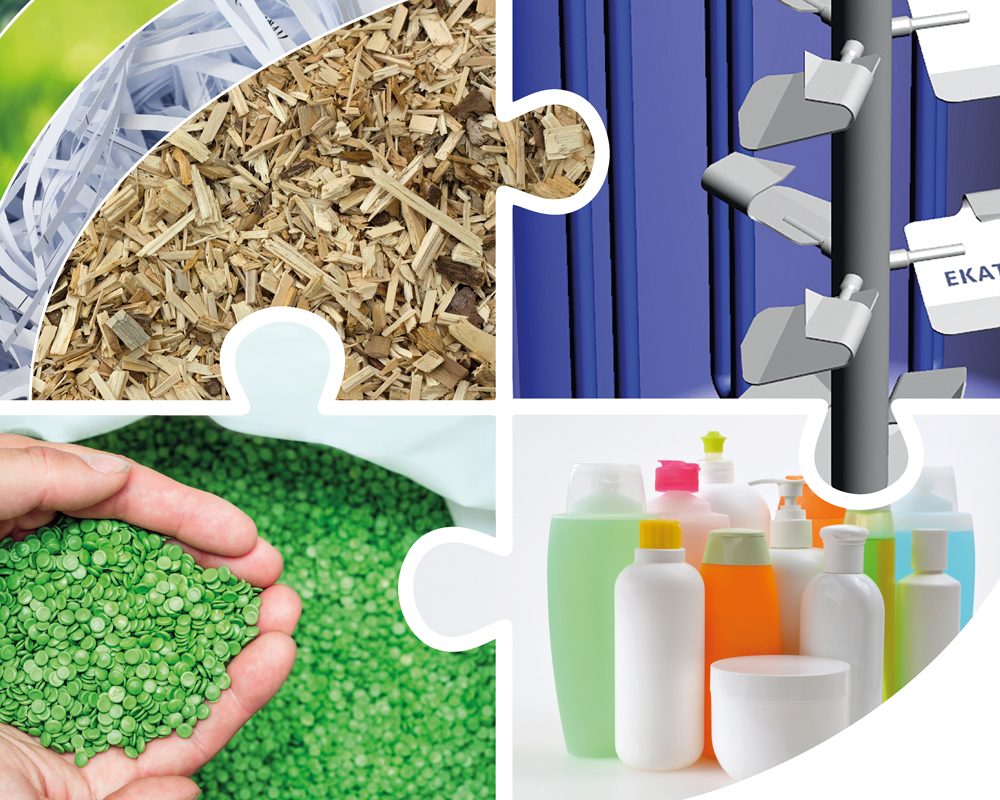
Different recycling strategies: EKATO offers mixing solutions for the chemical plastic recycling processes – pyrolysis and solvolysis
Frank Teufel Project Manager Sales EKATO Rühr- und Mischtechnik GmbH
Process Consultation
Contact us today to connect directly with our Sales Project Manager and discover how we can enhance your process, equipment, and overall plant efficiency.
Today, most recycling is done by mechanical processes. The very largest, widespread plastic waste fractions – for example, the contents of the “yellow bags” or the “yellow garbage cans” – contain many impurities, multilayer films, metals, dyes or additives. If these mixed fractions are to be successfully returned to a recycling loop, chemical plastic recycling processes must be established on a large scale in addition to mechanical ones.
Basic Process Challenges when Recycling Plastic
The input material must be prepared for a chemical recycling process in the first process step for dissolving or melting in such a way that trouble-free operation as well as a reproducible process result can be achieved. Because of the widely varying nature of plastic waste, this is where the first, major process challenge lies.
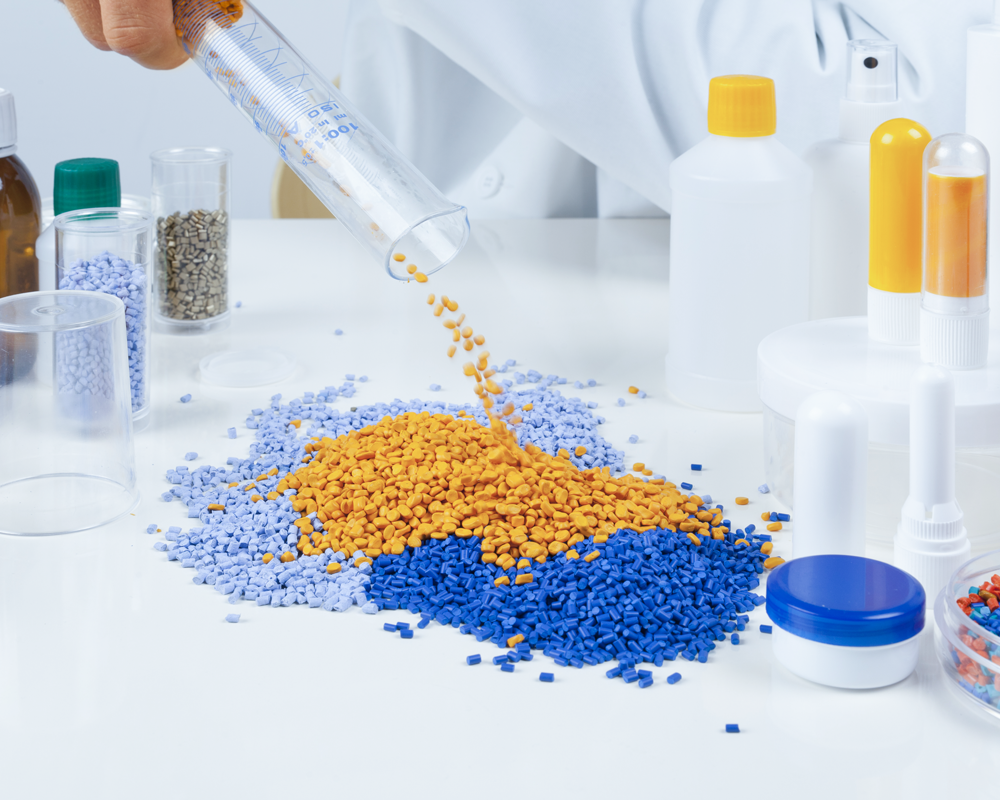
Not only the quality and “purity” of the input material usually vary greatly, but also central parameters such as bulk density, particle size distribution or even the wettability of the output material play a decisive role.
Depending on the process, there are usually very high viscosities or rheological challenges, such as flow limits. In these demanding media, not only the general mixing processes such as homogenization and suspension, but also the heat transfer must function reliably. If the initial mass is to be homogenized accordingly and brought to the required process temperature in the reactor, a well thought-out, sophisticated and efficient mixing technology concept is required.
EKATO Mixers for Range of Viscosity Levels
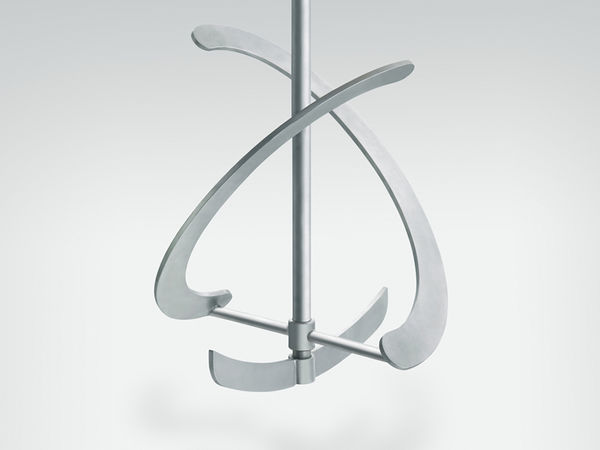
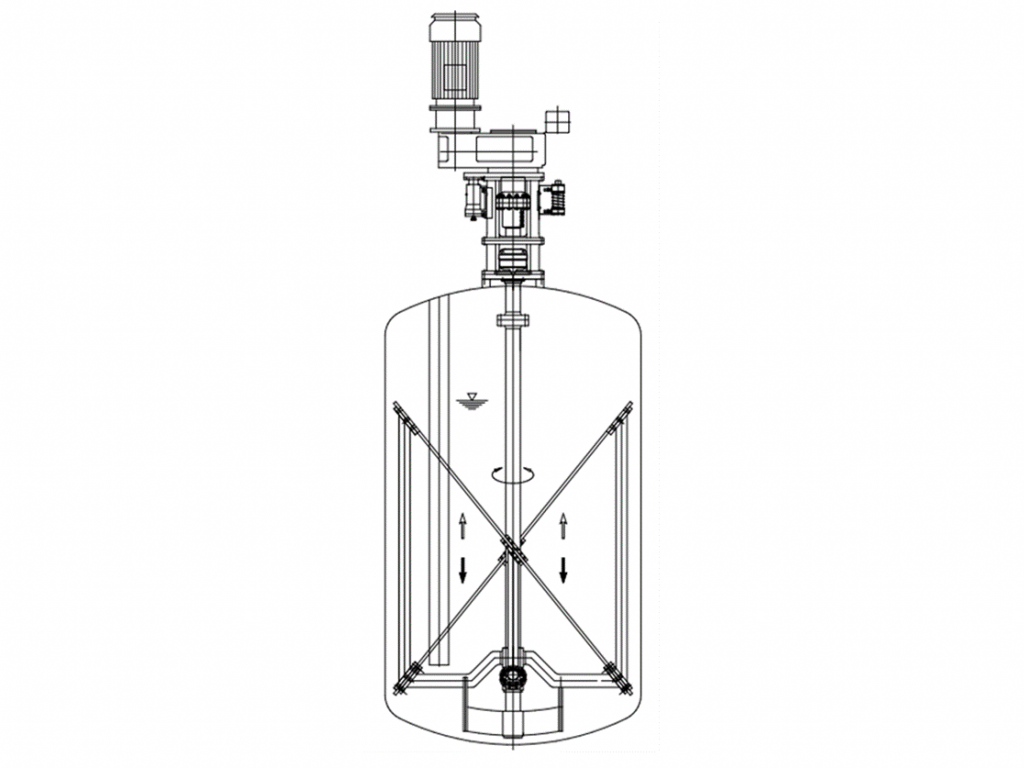
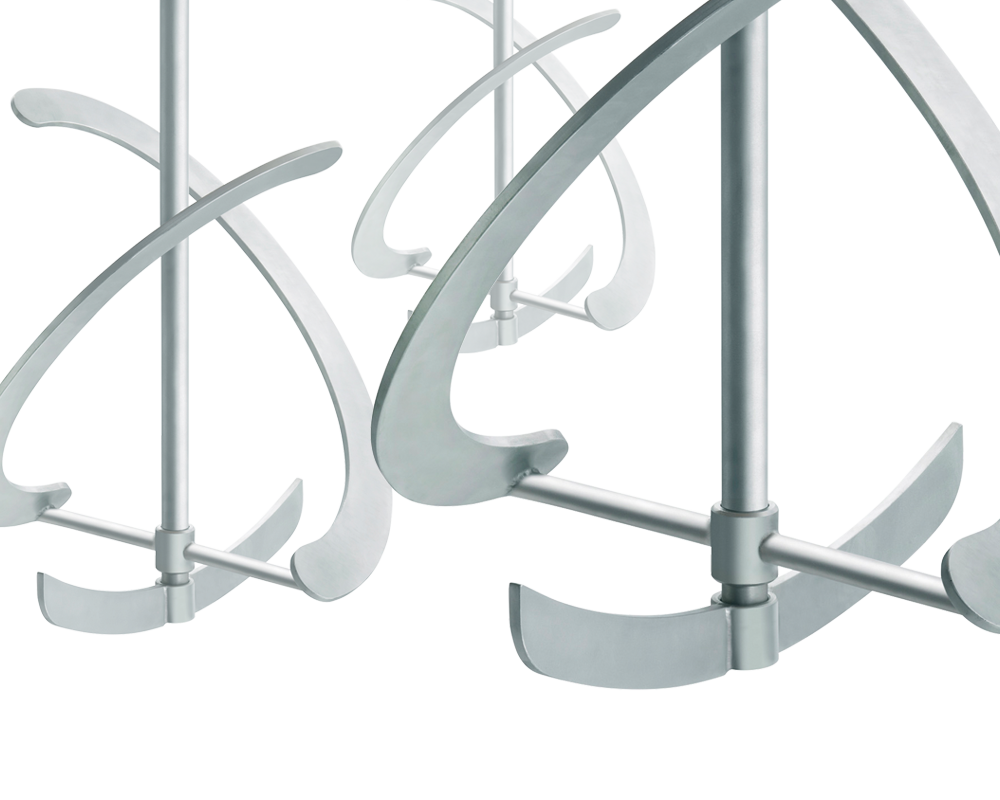
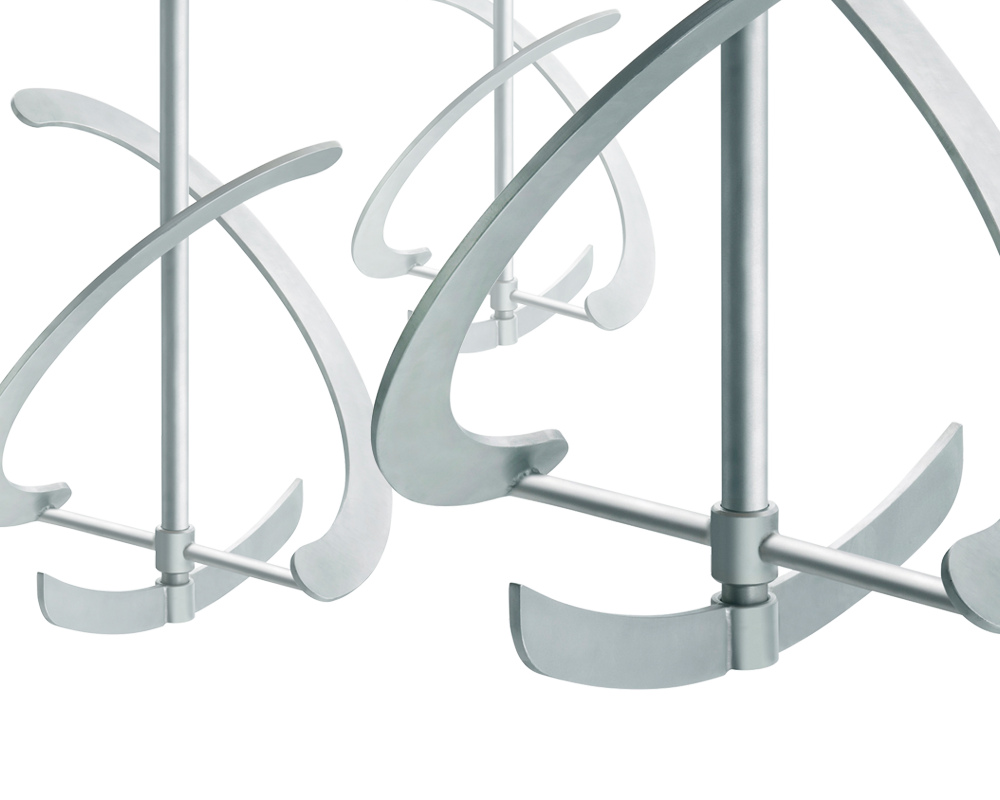
Wall-mounted, force-feed agitator systems are typically used for highly viscous products. The aim is to ensure the shortest possible mixing time in the laminar flow range. Traditionally, spiral or anchor stirrers have often been used for such tasks. However, modern agitation systems such as the EKATO PARAVISC are now the number one choice. They deliver significantly shorter mixing times and thus significantly better process results. Likewise, they can be used much more flexibly due to their possible additional components.
The axial mixing is achieved by the unique shape and arrangement of the EKATO PARAVISC’s two main blades. This impeller can be operated to convey both downward and upward, depending on the application. If it conveys downward, for example, the fluid is forced downward along the wall, changes its direction of movement at the bottom, and flows toward the surface in the area of the agitator shaft.
EKATO PARAVISC impeller for high-viscosity products
EKATO's Customized Reactor Concepts
For certain chemical recycling processes, such as thermal processes, some processes are already becoming established well beyond pilot scale.
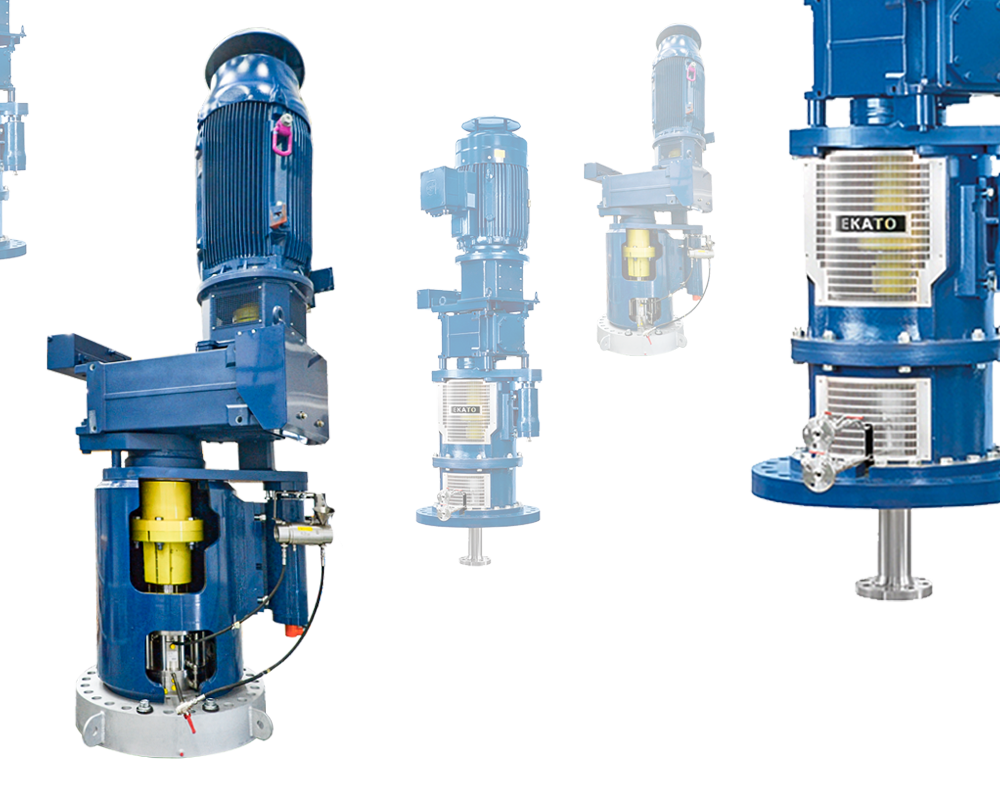
Some solvent-based processes (solvolysis) as well as various catalyzed processes are already on their way from a pure, promising process idea to a pilot plant. EKATO offers tailor-made reactor concepts for this phase. On the basis of “Joint Development Agreements”, reactor concepts are developed from customer processes – which have already been appropriately tested in the laboratory – and implemented as scalable, modular pilot-scale plants.
Different EKATO concepts for solvolysis reactors customized to your process requirements
How EKATO can Support You
EKATO also supports innovative companies in the development of depolymerization technologies with its know-how and expertise in mixing and reactor technology.
In EKATO’s own technology center or in pilot plants tailored to the respective customer process, processes with different plastic wastes can be tested and optimized under realistic conditions on a technical scale. Based on the findings from pilot tests, EKATO develops a reactor system tailored to the customer’s needs.
EKATO also supports innovative companies in the development of depolymerization technologies with its know-how and expertise in mixing and reactor technology.
In EKATO’s own technology center or in pilot plants tailored to the respective customer process, processes with different plastic wastes can be tested and optimized under realistic conditions on a technical scale. Based on the findings from pilot tests, EKATO develops a reactor system tailored to the customer’s needs.
EKATO Capabilities
Lab Testing 50L scale: up to 200°C & 5 bara, process monitoring, Ex Proof
Viscosity Measurement: high-temperature rheometer to support customers in designing pyrolysis reactors, crystallization testing
Various simulations: CFD and FEA calculations to guarantee a safe and reliable operation!
Manufacturing Expertise: materials of construction & their processing (welding!), reactor heating concepts / heat transfer calculations, mechanical design features (tolerances, mech. seals….)
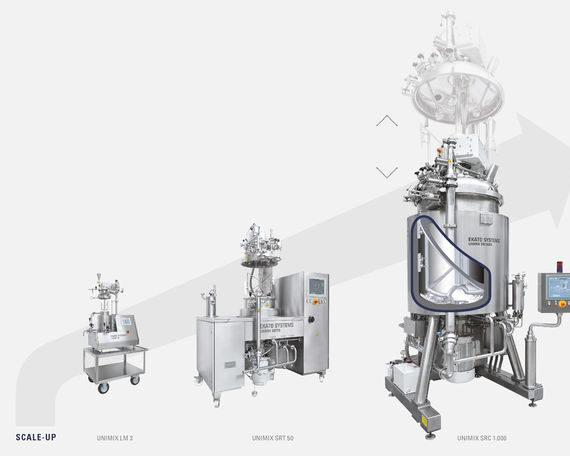
Fast & Reliable scale-up of your process from lab to industrial scale!
EKATO R&D Center: Laboratory Reactor (ELA 50) to run depolymerization processes for validating the critical process parameters
Process Solution Contact Form
Related Topics
You may also be interested in these topics
Polymerization
Polymerization comprises a vast field of applications. EKATO has specialized in optimizing existing mixing solutions as well as in joint developments…
Top-entry and side-entry agitators (e.g., EM 2000, ES 2000, MD/SD)
Solutions for storage tanks, open and closed vessels
Simple mechanical seals
Short delivery times, high cost-efficiency
On-site commissioning and service
What does “Number of sealing faces” mean?
Single-acting mechanical seals These seals have one sealing surface and only seal in one direction. They are generally simpler in design and are commonly used in applications where pressure is applied from only one side.
Double-acting mechanical seals These seals have two sealing surfaces and can seal in both directions. They are ideal for applications where pressure may come from both sides or where a higher sealing performance is required.
Triple-acting mechanical seals These are less common and used in specialized applications that require a more complex sealing setup. They offer additional sealing surfaces or mechanisms to ensure reliable sealing even in highly demanding environments.
You are currently viewing a placeholder content from Google Maps. To access the actual content, click the button below. Please note that doing so will share data with third-party providers.
You are currently viewing a placeholder content from Facebook. To access the actual content, click the button below. Please note that doing so will share data with third-party providers.
You are currently viewing a placeholder content from hCaptcha. To access the actual content, click the button below. Please note that doing so will share data with third-party providers.
You are currently viewing a placeholder content from Turnstile. To access the actual content, click the button below. Please note that doing so will share data with third-party providers.