EKATO

Ekato

Mixing Technology in the Food Industry

Mixing Technology for Hydrogenation and Fermentation

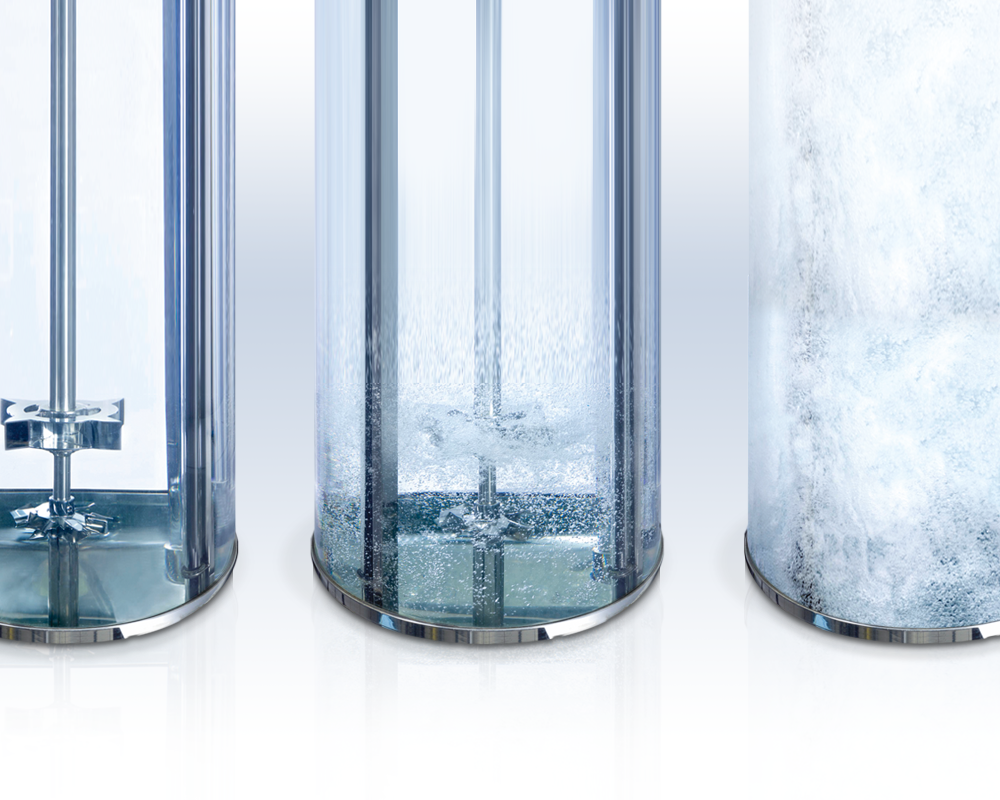
When it comes to agitation, mixing, dissolving, heating, cooling, fermentation, and hydrogenation, EKATO agitators are used in all areas of the food production industry, where hygiene and rigorous standards present special challenges during production.
Contact us

Challenges in the Food Production Industry
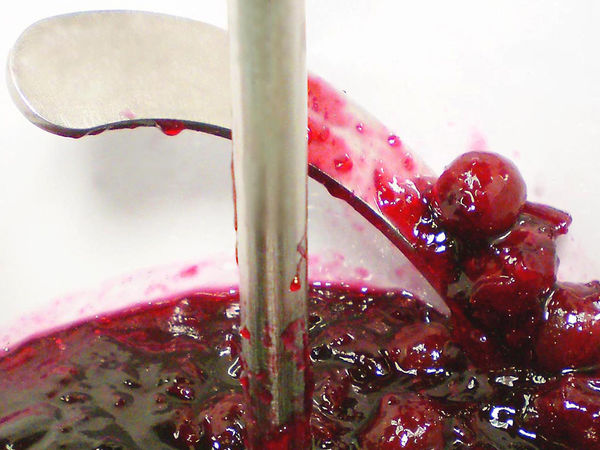
Fats and margarine, fruit-desserts and juice concentrates, honey, cocoa and chocolate, ketchup, dairy products and sugar – everything needs to be mixed at one point in its production process. The different requirements concerning the mixing task(s), the mixing process and especially the hygienic standards (e.g. construction material, surface quality, CIP / SIP ability, sterile design) in the food industry have to be considered and put together to an economical agitator design. The food industry also has special requirements particularly in relation to the fermentation, crystallization, and hydrogenation processes. Viscosity can increase sharply during fermentation, as is the case in the production of thickening agents like Xanthan. At high viscosities in combination with the relatively high aeration rates that are typically used, the design, selection, and positioning of the impeller have a significant impact on yield and productivity.

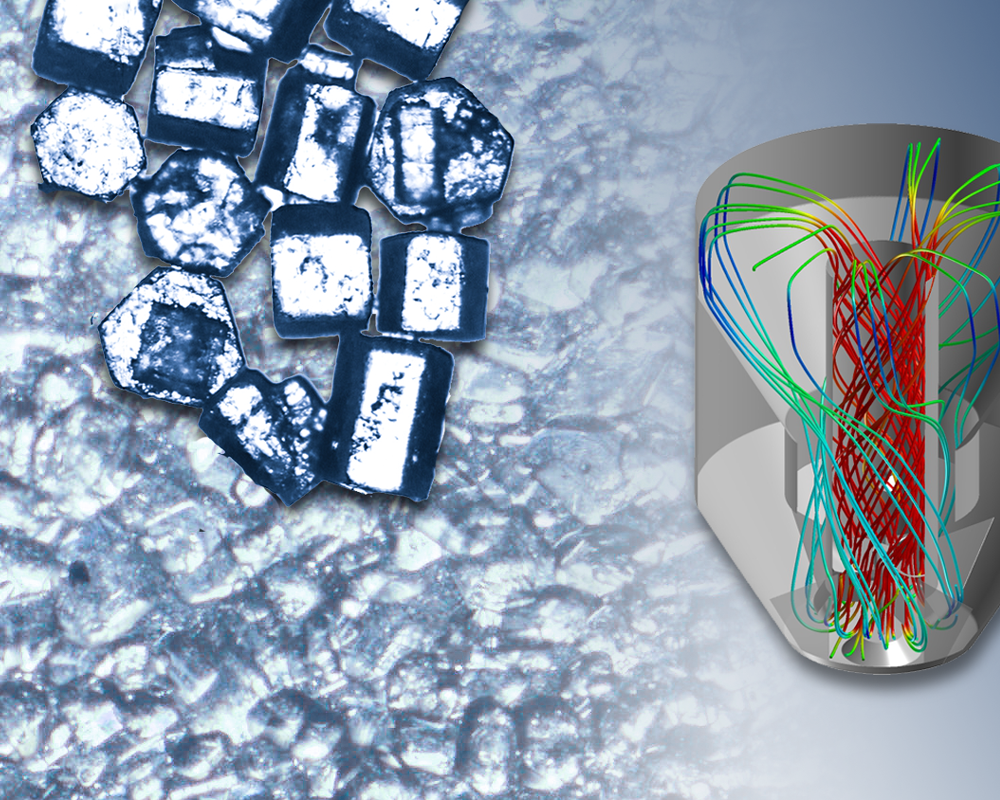
During crystallization, yield, purity, and, most importantly, the particle properties determine the quality of the end product. Especially in cases where additives or sugar substitutes are used, the process can be significantly enhanced and made more efficient by using the right agitation technology and crystallization strategy. Many substitutes of sugar like Sorbitol and Xylitol are produced by hydrogenating the appropriate sugar. By using state-of-the art mixing technology (e.g. the EKATO Combined Gassing system) the space-time yield can be increased significantly while the catalyst amount can even be reduced.

 The EKATO Combined Gassing system doesn’t only offer advantages to the production of sugar substitutes, but also to the production of hydrogenated fats, e.g. margarine. In this case the EKATO Combined Gassing system can significantly reduce the time to reach the required iodine number, thanks to its excellent mass transfer. Whether its stirring, blending, dissolving, heating, cooling, fermentation or hydrogenation – the EKATO agitator is your main support to reach the desired product quality and characteristics.

Typical Products Made in the Food Production Industry:

  • Fats
  • Sugar
  • Sugar substitutes
  • Dairy products
  • Juices
  •  Concentrates

Industries contact form

EKATO Rühr- und Mischtechnik GmbH (EKATO RMT)

Focus: High-performance agitators, reactor agitators, process plants, mechanical seals
Typical Applications:

  • Chemical industry (specialty, polymer, bulk chemicals)
  • Pharmaceutical industry
  • Hydrometallurgy
  • Flue gas desulfurization
  • Biotechnology
  • Paints and coatings

Products & Services:

  • Customized agitators and impellers
  • Reactor agitators (e.g., coaxial, magnetic agitators)
  • Mechanical seals and seal supply systems
  • Process and pilot plants
  • CFD/FEA simulations, scale-up, engineering support
  • Global service network including maintenance, training, spare parts management

EKATO Systems GmbH

Focus: Vacuum processing units for liquids and solids (UNIMIX & SOLIDMIX)
Typical Applications:

  • Cosmetics industry
  • Pharmaceutical industry
  • Food industry
  • Chemical industry

Products & Services:

  • UNIMIX: Vacuum processing mixers for liquid to highly viscous products
  • SOLIDMIX: Solid mixers and dryers for powders and granules
  • Laboratory and pilot-scale systems (3–1000 liters)
  • GMP-compliant turnkey solutions including automation
  • Process consulting, development, scale-up, commissioning, maintenance

EKATO Fluid GmbH

Focus: Standardized, cost-effective industrial agitators
Typical Applications:

  • Chemical industry
  • Paints and coatings
  • Biotechnology
  • Biofuels
  • Pharmaceuticals
  • Cosmetics
  • Water and wastewater
  • Food industry
  • Pulp and paper
  • Fertilizers

Products & Services:

  • Top-entry and side-entry agitators (e.g., EM 2000, ES 2000, MD/SD)
  • Solutions for storage tanks, open and closed vessels
  • Simple mechanical seals
  • Short delivery times, high cost-efficiency
  • On-site commissioning and service

What does “Number of sealing faces” mean?

Single-acting mechanical seals
These seals have one sealing surface and only seal in one direction. They are generally simpler in design and are commonly used in applications where pressure is applied from only one side.

Double-acting mechanical seals
These seals have two sealing surfaces and can seal in both directions. They are ideal for applications where pressure may come from both sides or where a higher sealing performance is required.

Triple-acting mechanical seals
These are less common and used in specialized applications that require a more complex sealing setup. They offer additional sealing surfaces or mechanisms to ensure reliable sealing even in highly demanding environments.